The importance of national identity in African American culture
“Chike’s School Days” by Chinua Achebe
“Notes of a Native Son,” by James Baldwin
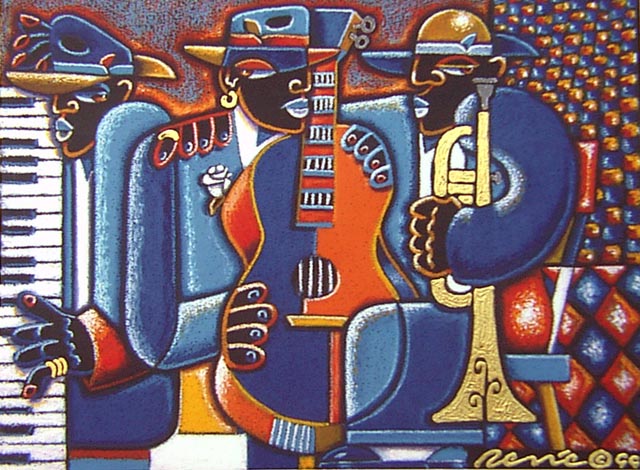
This week’s readings explored excerpts from African American literature. The central theme of the readings was a strong sense of national identity and what it means to African American culture. The reader can interpret that identity can sometimes be found through symbolism or through names. Names were a important part of this week’s readings and in the story “Chike’s School Days” by Achebe, this can be observed. Identity is also heavily found through self-expression and dress. Both stories show two different forms of identity but both are rooted similarly to African American culture.
STUDENT ACTIVITY
Arrange the students desks in a circle. Ask the students to reflect on what the word culture means to them and ask them how they express their culture in their lives. They can write this down on a piece of paper. Once they are finished with that, have them read both “Chike’s School Days,” by Chinua Achebe and “Notes of a Native Son,” by James Baldwin for this week’s blog.
“Chike’s School Days” by Chinua Achebe
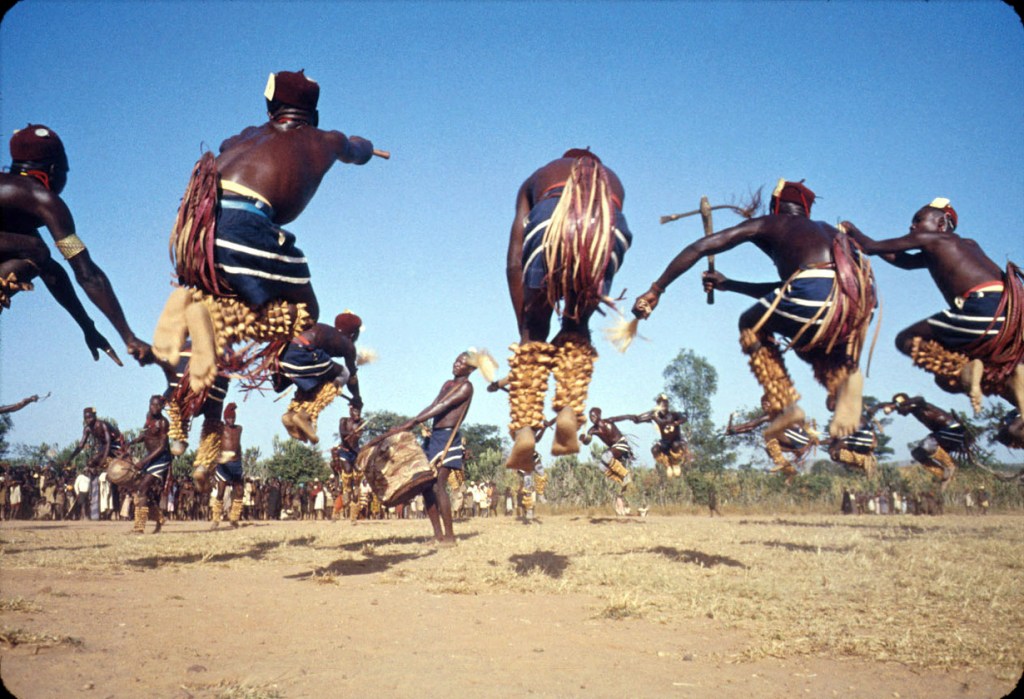
“Chike’s School days” by Chinua Achebe is a story of two worlds colliding. John Chike Obiajulu is the first born son to his parents Sarah and Amos. His name represents the two very different worlds his parents came from becoming one in him. John is a Baptist name that represented their faith. Amos, his father, married Sarah against his village’s wishes because he was breaking their codes by marrying someone lower in status. Obiajulu means “the mind is at last at rest.” (Achebe, 1960) Obiajulu represents their African American culture and by pairing it with John, Achebe shows how names represent identities. Chike’s identity is told through his name and it tells a story of how two people from different cultures completely came together. It also remains true to each individual culture and honors them in a small but big way. A pop culture reference that can be made is the movie Aquaman. Aquaman’s real name was Arthur. His mother was from under the sea, Atlantis, and his father who lived on land, found her badly hurt. His mother broke tradition by having a child with the man who found her. Arthur represented the two worlds.
STUDENT DISCUSSION QUESTIONS
Ask students these three questions and go around the circle to make sure every student has given their take on at least one question by raising their hand and sharing with the class.
- Does your name have any meaning that is important to your family? Such as being named after someone or is your name of a certain nationality?
- How is Chike similar to Arthur in Aquaman? What do they have in common?
- What parts of the story talk about the identities of Chike’s parents? Give examples of quotes from the story that show literal expression.
“Notes of a Native Son,” by James Baldwin
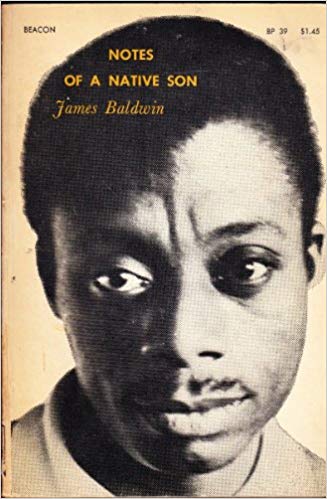
In “Notes of a Native Son” by James Baldwin, it tells a story of a son navigating his father’s and his own identity. The son in the story wants to understand his fathers legacy and learn more about his culture. Some of the cultural expressions in the text was through the description of his father and how he felt he would have looked “But he looked to me, as I grew older, like pictures I had seen of African tribal chieftains: he really should have been naked, with war-paint on and barbaric mementos, standing among spears.” (Baldwin, 1955) The story is of strong African American cultural tones. The son’s trying to find his identity by tracing his fathers. The son also had begun to realize the struggle he would face as his father did. He felt he had much more in common with his father just simply based on the color of their skin. The main thing he learned through it all was the injustice he felt. Injustice because of skin color and of expression. African American culture is wrongly defined by stereotypes at times and that is something that was prominent in this story. A pop culture comparison can be made to the movie Antwone Fisher. A movie about a boy who is struggling to understand his place in the world. Below is a scene of him meeting his mother.
STUDENT DISCUSSION QUESTIONS
- Does the narrator in Notes of a Native Son seem to be having a battle with himself on how he wants to be understood vs how the world understands him?
- How does Antwone relate to the narrator in Notes of a Native Son?
- What other parts of the story help identify his culture and his connection to it in Notes of a Native Son?
ASSIGNMENT OPTIONS
WRITE A PAPER
Option 1:
Make a detailed list of how your culture can be identified in your daily life. It can be through how you dress, what colors you wear, what languages you speak. Once you have identified those, explain why you express your culture and its importance to you.
FIND THE ROOT MEANING OF YOUR NAME
Option 2:
Figure out what your name means and then explain why you were named that. If you are unable to explain your name’s origins, then explain the cultural origins of your name and how it has defined you.
WORKS CITED:
“Chike’s School Days” The Norton Anthology of World Literature, edited by Martin Puchner, Shorter 3rd ed., Vol. 2. New York: Norton, 2013.
“Notes of a Native Son” The Norton Anthology of World Literature, edited by Martin Puchner, Shorter 3rd ed., Vol. 2. New York: Norton, 2013.

