
Post-Holocaust literature and the theme of dehumanization
“This Way for the Gas, Ladies and Gentlemen,” by Taduesz Borowski
“The Daydreams of a Drunk Woman,” by Clarice Lispector
There is an overwhelming sense of dehumanization from this week’s readings. The author uses several literary elements to emphasize that theme. The post-holocaust time period is one that was changed the lives of Jewish’s writers. “Regarding the Holocaust, this seems unconscionable, even blasphemous. The horrors of Auschwitz and Buchenwald need no artistic amplification.” (Kaiser, 2010) As seen in Borowski’s tone in his “This Way for the Gas, Ladies and Gentlemen” that lack of artistic amplification is seen. Borowski’s tone was void of life. Some could interpret rage in his work. Rage for the suffering that the Jewish endured. In comparison, in “The Daydreams of a Drunk Woman,” by Clarice Lispector, there was entirely different form of dehumanization taking place. A dehumanization of women.
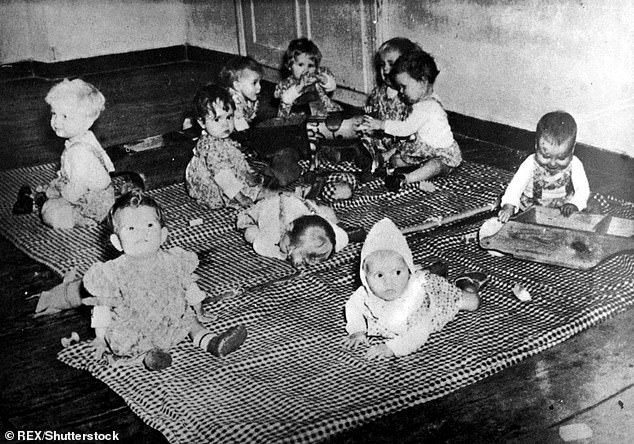
STUDENT ACTIVITY
Arrange the students desks in a circle to promote better discussion methods. Once in a circle, ask the students what they know of the Holocaust. Note on how the time period after the Holocaust was one that was void of humanity in every sense. We will make popular culture comparisons for both stories from this week’s readings and then there will be an assignment at the end of the readings. Have the students read the story as a class by going around the circle and having each student read a passage. Have them highlight parts of the passage that contain dehumanizing qualities in both passages that will be read.
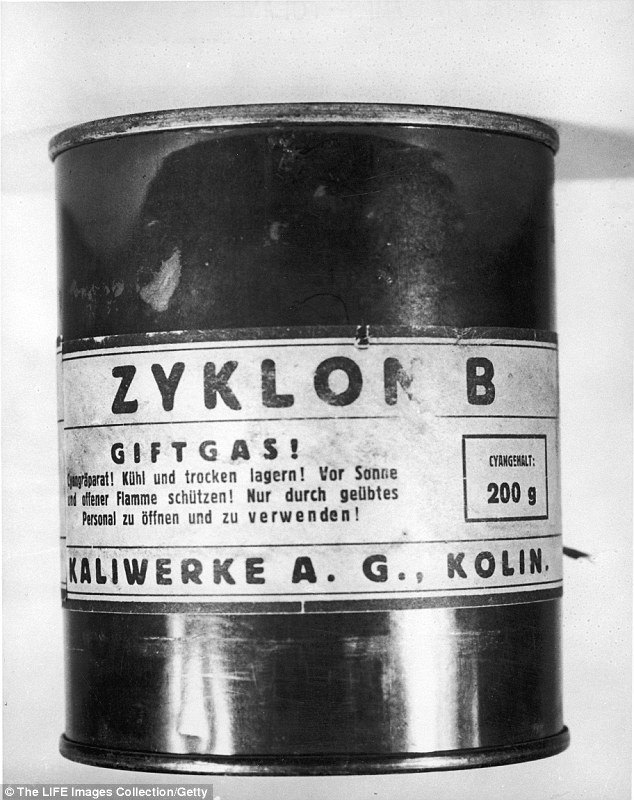
“This Way for the Gas, Ladies and Gentlemen,” by Taduesz Borowski
Taduesz Borowski wrote with such description that the reader could feel everything the main character was going through. However, he did not need any emphasizing literary elements to portray the elegiac tone of the story. The main character is a prisoner in a concentration camp. Through his actions in the short story, the theme of dehumanization is heavily seen. Such as in the quote “It is the camp law: people going to their death must be deceived to the very end. This is the only permissible form of charity.” (Borowski, 1946) The prisoners are lied to and led to their deaths without any semblance of mercy. As seen in the story, the people would load up with all the nicest jewelry they owned and then they would be unloaded from the trucks just to die. The people did not know they would not be spared for their riches. The tone of Borowski’s story is one that lacks passion but his work is powerful at conveying the lack of humanity despite that. The effect of first-person narrative also emphasizes every dehumanizing moment. A popular culture comparison that can be made is to the movie “The Boy In The Striped Pajama’s” a British movie that can be found on Netflix about a little boy whose father is a Nazi befriending another little boy who is a prisoner of concentration camp nearby their home. There is several instances where dehumanization is seen in the movie through differing actions. The movie ends in tragedy for both boys.
DISCUSSION QUESTIONS
- Which moment was the most dehumanizing moment in the story? Was there not one moment but rather the whole story was dehumanizing? Have students raise their hand and note on quotes from the story.
- Ignorance is bliss in the movie “The Boy in the Striped Pajama’s” Do you think this dehumanizes someone when they choose to withhold information that may be too much for their emotion to handle?
- What emotion does the main character feel the most throughout the story? Does he have any emotion or is he just in survival mode?
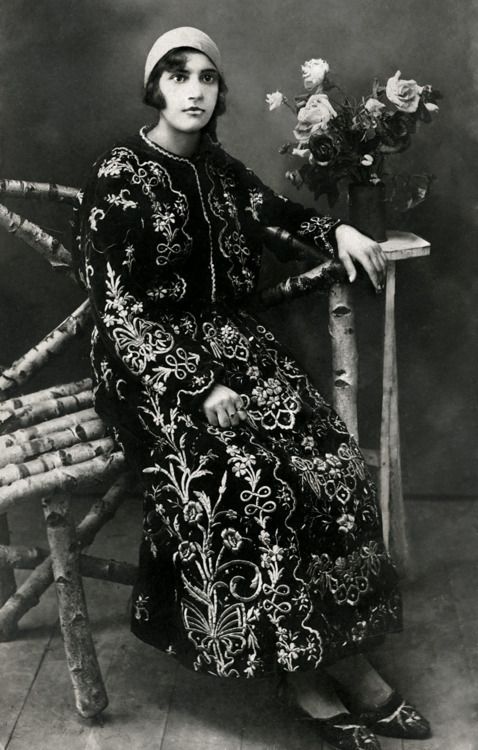
“The Daydreams of a Drunk Woman,” by Clarice Lispector
The story by Clarice Lispector was a stark difference from Borowski’s. However, the story highlights more dehumanization that was taking place post-Holocaust. Those being dehumanized were women, among others. “The Daydreams of a Drunk Woman” is a short story about a woman who is married with children. The woman’s children leave to the countryside and she finds herself mixed with emotion. The woman does not feel she has any sense of purpose beyond being a mother and a wife. This results in her drinking excessively until her children return. “Naturally she talked, since she lacked neither the ability to converse nor topics to discuss. But the words that a woman uttered when drunk were like being pregnant—mere words on her lips which had nothing to do with the secret core that seemed like a pregnancy.” (Lispector, 1960) The woman feels anger throughout the story at her circumstances. She felt she had amounted to nothing and when in the presence of men, she had nothing to contribute to the conversation. This notes on the dehumanization by men of women during this time period. Women were given no voice or place. A popular culture comparison can be made to the movie “Hidden Figures.” A movie, based on a true story, about three African American women who were the brains behind operations taking place at NASA. In America, women in STEM fields was rare back during the time period that Hidden Figures was based in. There were gender constructions going on in many parts of the world. In some of those places, women were deemed not knowledgeable or even deserving of obtaining educations.
DISCUSSION QUESTIONS
- What emotion does the woman feel throughout the story? Why do you think she feels such emotion? Some that can be analyzed are anger, boredom, and sadness.
- How was the woman dehumanized in the story? Were there any parts that stood out to you?
- In Hidden Figures, women are working as mathematicians for NASA which was deemed uncommon. Can you make comparisons to Lispector’s story about women being underestimated it seemed?
ASSIGNMENT OPTIONS
WATCH A MOVIE
Choose one of two movies from the blog analysis. Write a paper on dehumanization after watching the movie. Give examples and compare to real world scenarios.
OPTION 1-“THE BOY IN THE STRIPED PAJAMAS”
Watch “The Boy in the Striped Pajamas” then write a paper about dehumanization. There are parts of the story that are inaccurate regarding the camps. Note on the inaccuracies in the story compared to real world.
OPTION 2-“HIDDEN FIGURES”
Watch “Hidden Figures.” Highlight parts of dehumanization and women oppression that can be seen in the movie. Compare the movie scenes to real life events that took place in other countries or in the United States.
WORKS CITED:
“This Way for the Gas, Ladies and Gentlemen,”” The Norton Anthology of World Literature, edited by Martin Puchner, Shorter 3rd ed., Vol. 2. New York: Norton, 2013.
“The Daydreams of a Drunk Woman” The Norton Anthology of World Literature, edited by Martin Puchner, Shorter 3rd ed., Vol. 2. New York: Norton, 2013.

