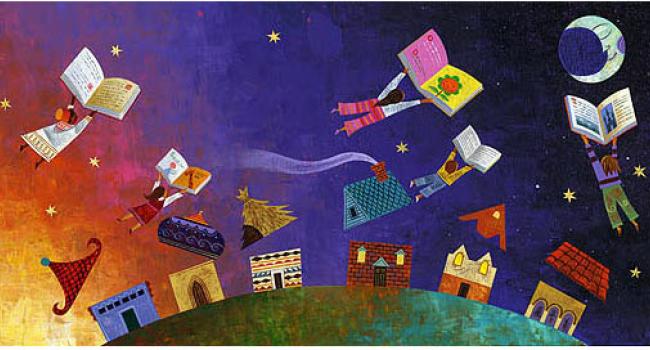
The power of choices in multi-cultural literature pieces
“The Guest” by Camus
“The Metamorphosis” by Kafka
From this week’s readings, there was an overwhelming theme throughout the passages that we analyzed. That theme was one that could be seen as a Christian parable and also just about choices and the powerlessness we sometimes feel we have over those choices. Life is full of decision making and humans are sinners by nature. Sometimes the things we choose to do were once of pure intention but did not end purely. However, sometimes our fate is already sealed and the choices we make directly impact that fate. This theme of powerlessness being determined by choice is seen in “The Guest” by Camus and “The Metamorphosis” by Kafka.
STUDENT ACTIVITY
Arrange the student’s desk in a circle. This promotes better discussion. Firstly, ask the students to get out a piece of paper to answer the discussion questions. Before you begin the readings, ask the students “What is one choice you can think of that changed the rest of your life?” It can be small or big. Have them think really hard. If they can not think of one, have them write down one that was made by someone else in their life but affected their lives. Remind the students to remember this question and also to focus on the powerlessness that will be found in the readings.
“The Guest” by Albert Camus
Disclaimer: If you have not seen Star Wars: The Rise of Skywalker and you do not want ANY to read any spoilers, then stay far away from this blog entry.
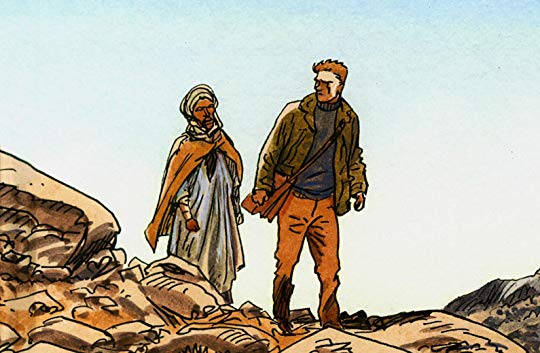
In “The Guest”, by Albert Camus, it tells a story of how a man that wanted to be in control of his choices despite the obvious powerlessness his job entailed. This man was commanded to deliver a prisoner but he had other plans in mind. Daru made a decision that was of goodness from his knowledge but it was too late for those types of decisions. “That’s the trail across the plateau. In a day’s walk from here you’ll find pasture lands and the first nomads. They’ll take you in and shelter you according to their law.” (Puchner, 2013) Daru said. This was Daru’s choice and he wanted to give the prisoner freedom. But it was too late, yet again. From the moment Daru took his post, his fate was sealed and he would always be seen a traitor. It did not matter if the prisoner had chosen the other option. There were choices being made but that would not change the outcome. The only choice that mattered was the one Daru made when he took up the job, that was when his powerlessness truly began. The theme of powerlessness is seen heavily in certain movies today such as in Star Wars: The Rise of Skywalker… *SPOILER ALERT* Kylo Ren is being commanded by Palpatine to destroy Rey so that victory would happen for the Dark Side. Kylo never ended up killing Rey but Palpatine knew that would happen because he foresaw everything. Kylo Ren’s fate was already sealed no matter what choice he made because the Palpatine could see his intent and knew he would never kill her.
“The Metamorphosis” by Kafka
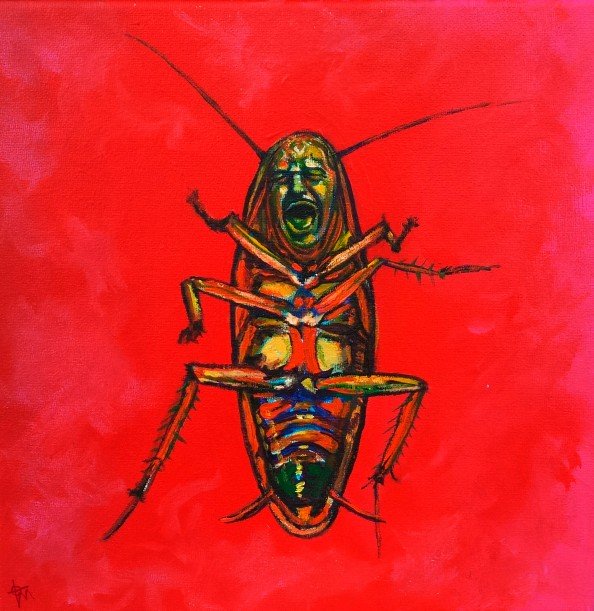
In “The Metamorphosis” by Kafka, the reader can greatly feel powerlessness from the main character, Gregor. Gregor was transformed into a bug against his wishes he believed, but were they really against them? Gregor had wished for “The Devil take it all!” (Puchner, 2013) and it was probably not the first time. Maybe this meant he had in some way turned himself into a bug because of his choices. Turning to the Devil for some sort of relief first from his life, is probably what got him to his retched state. Similar to how “The Guest” was a story of predetermined fate, maybe Gregor’s fate had already been sealed way before he was ever turned into a bug based on his wishes. Could Gregor have fought harder to make his family accept him? Could he have found some way to co-exist with his human family and or found a way back to being a human? Either way, both men suffered at the cost of their own choices. The story of Gregor can be compared to stories that are popular in today’s society such as Superman. In this movie, a teen was Peter was turned into something other than human and he had no choice in the matter.
SMALL GROUP INSTRUCTION
Place students in two separate groups and have one group discuss “The Guest” and the other group discuss “The Metamorphosis.”
For “The Guest” group, ask them:
- Do you think Daru would have made the same choice even if he knew he would always be viewed as a traitor in the end?
For “The Metamorphosis” group, ask them:
- Did Gregor wish for this transformation without realizing? Do you think he would have tried harder to stay alive as a bug if he had known he had wished for his state?
After groups have discussed then switch the groups and ask the same question again. Afterwards, have the students write a one page paper on one or the other stories with what they think the main character should have done differently.
Works cited
Camus, Albert. “The Guest.” The Norton Anthology of World Literature, edited by Martin Puchner, Shorter 3rd ed., Vol. 2. New York: Norton, 2013, pp.1201-1235.
Kafka, Franz. “The Metamophosis.” The Norton Anthology of World Literature, edited by Martin Puchner, Shorter 3rd ed., Vol. 2. New York: Norton, 2013, pp.1201-1235.
 Multi-Cultural Literary Blog